





Audio phase often decides whether music sounds full and balanced or thin and hollow. For musicians, understanding phase is essential to preventing audio issues during the music production process. Recognizing how sound waves interact helps ensure that every layer contributes to a professional result.
Audio phase refers to the position of a sound wave within its cycle at a given instant. It describes the timing relationship between sound waves. When two identical signals align, they are in phase and reinforce each other, creating a stronger sound. When they are out of phase, parts of the sound cancel each other out, a phenomenon known as phase cancellation.
This issue can occur during recording, mixing, or playback, underscoring the importance of understanding how phase relationships shape the final result. Engineers often use tools such as phase meters and polarity switches to detect and correct these problems, ensuring accurate, clean audio reproduction.
By learning how audio phase works, anyone working with sound can avoid common mistakes and unlock new creative possibilities. The following sections will break down the fundamentals, explain how phase issues arise, and provide practical methods for detecting and fixing them.
With this knowledge, mixing and production become more precise, and live or studio setups achieve a more professional and consistent sound.
Key Takeaways / TL;DR
- Audio phase describes the timing relationship between sound waves.
- Phase alignment or cancellation affects clarity and tonal balance.
- Understanding and managing phase improves both mixing and live sound.

1
Fundamentals of Audio Phase
Audio phase describes the timing relationship between sound waves and how their alignment affects clarity, strength, and tonal balance. Small timing differences can lead to complex phase interactions. These can lead to reinforcement or cancellation of frequencies, making phase a critical factor in recording, mixing, and playback.
What Is Audio Phase?
Audio phase refers to the position of a sound wave at a given point in time, measured in degrees of a cycle. A complete cycle equals 360°, so a wave at 0° and another at 360° are in the same phase. When you keep multiple waves inphase, they constructively combine to form a more powerful audio signal.
When sound waves are in phase and aligned, their peaks and troughs coincide, producing a stronger combined signal. If they are out of phase, parts of the waves cancel each other, reducing volume or clarity.
Engineers often use a phase meter or polarity switch to detect alignment issues. In multi-microphone setups, even slight misalignment can create thin or hollow audio. Correcting phase ensures that signals reinforce rather than weaken one another, maintaining a more accurate sound. Without proper alignment, listeners may experience phase distortion, which alters the instrument's timbre and harmonic structure.
How Sound Waves Relate to Audio Phase
Sound waves are pressure variations traveling through air. Each wave has peaks (compressions) and troughs (rarefactions). The alignment of these features determines whether two waves experience constructive interference or destructive interference.
- In-phase waves: Add together, increasing amplitude.
- Out-of-phase waves: Cancel frequencies, reducing energy.
- Partially out of phase: Cause uneven reinforcement and cancellation.
For example, if two microphones record the same instrument from slightly different positions, the sound waves may reach each mic at different times. This time difference shifts the phase and can lead to phase cancellation, especially in low frequencies. Tools such as correlation meters help monitor these relationships in real time.
Understanding Audio Waveforms and Phase Angles
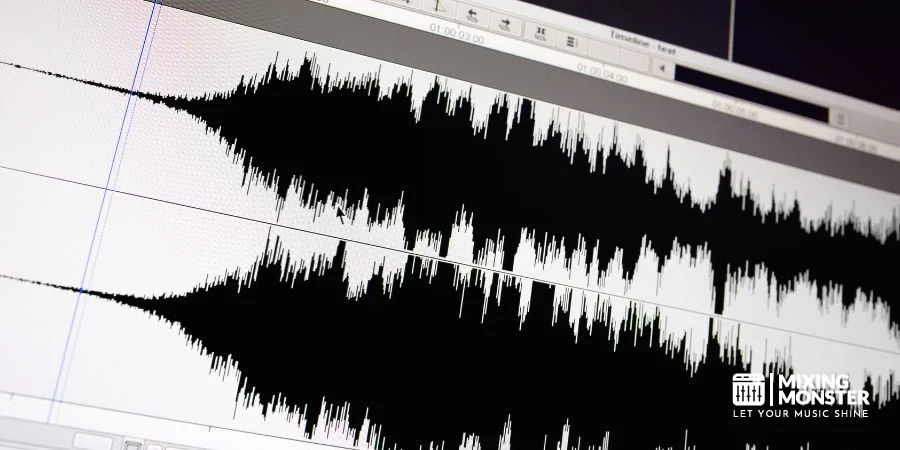
Audio waveforms visually represent sound waves, showing amplitude over time. The phase angle indicates where a point lies within the cycle, expressed in degrees. A sine wave at 90° is at its maximum peak, while at 270° it reaches its lowest trough.
Comparing two audio waveforms requires examining their phase angles. If one waveform lags behind the other, the delay creates a phase shift. Even a small shift can alter tone and stereo imaging.
Phase shifts often occur due to microphone placement, speaker positioning, or electronic processing. Engineers may correct them using polarity inversion, time alignment, or specialized plugins.
Maintaining proper phase relationships ensures coherent audio waveforms and preserves clarity across the mix. In modern production, digital latency can also cause waveforms to slip out of sync, requiring careful monitoring.

2
Audio Phase Relationships and Their Impact
Phase relationships determine how multiple audio signals interact when combined. Small timing differences can create reinforcement, cancellation, or tonal changes that affect clarity, stereo imaging, and perceived loudness. Understanding alignment, differences, and shifts allows engineers to manage these phase interactions with precision.
Phase Alignment and Misalignment
When two signals are in phase, their waveforms align so peaks and troughs occur at the same time. This alignment reinforces the sound, often making it fuller and louder. For example, two microphones placed equidistant from a guitar cabinet will capture signals that combine cleanly.
Misalignment occurs when waveforms do not line up. Even small delays can lead to partial cancellations, reducing certain frequencies. This is common in multi-mic drum recordings where overhead mics and close mics capture the same source at slightly different times.
Misalignment can result in comb filtering, where some frequencies are boosted while others are attenuated. Engineers often use time alignment tools or manually nudge tracks to correct these issues. Proper alignment ensures consistent tone and prevents thin or hollow-sounding mixes.
Phase Difference Explained
Phase difference describes the degree of offset between two signals of the same frequency. It is measured in degrees, with 0° indicating perfect alignment and 180° indicating the signals are opposite. When signals are 180 degrees out of phase, peaks of one signal align with troughs of the other, often causing cancellation.
Practical examples include stereo recordings in which the left and right channels may have slight offsets. According to iZotope, even a 90° difference can make the stereo image diffuse, altering how listeners perceive direction and space.
Key effects of phase difference:
- 0°: reinforcement and maximum clarity
- 90°: partial cancellation, softer mono sum
- 180°: strong cancellation, loss of signal in mono
Managing phase differences is essential when blending direct and room mics or layering samples with live recordings.
Discover Best Audio Gear & Equipment


Phase Shift in Audio Signals
A phase shift occurs when a signal is delayed in time, shifting its waveform cycle relative to another signal. Unlike polarity reversal, which instantly flips the signal, a phase shift introduces a time-based offset. This distinction is critical when analyzing multi-frequency material such as music.
For instance, delaying one channel by 2.5 ms introduces different frequency shifts. At 100 Hz, this may equal a 90° offset, but at 200 Hz it becomes 180°, causing cancellation. This frequency-dependent effect leads to comb filtering, a phenomenon explained in detail by Mastering the Mix.
Applications of phase shift include the creative use of the phaser effect, which uses modulated shifts to create movement. Other uses include:
- Stereo widening through intentional delays
- EQ filters that introduce phase movement
- Correcting multi-mic recordings for coherence
Phase shift can be beneficial or problematic, depending on the context, making it important to evaluate mono compatibility and stereo imaging when adjusting signals.
3
Phase Interference and Cancellation
When two or more sound waves overlap, their interaction can either strengthen or weaken the resulting audio. These phase interactions directly affect clarity, tonal balance, and perceived sound quality. Understanding constructive interference and destructive interference helps engineers manage these effects in any environment.
Constructive vs Destructive Interference
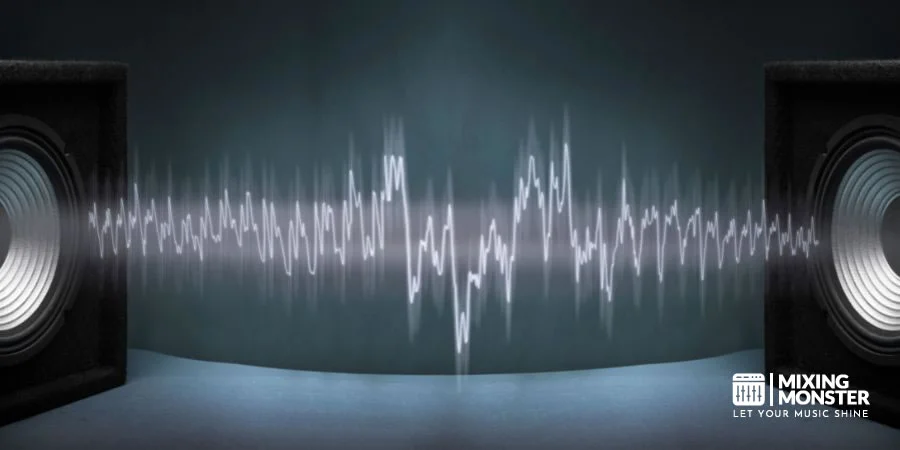
When waveforms are in phase, their amplitudes add. This is constructive interference, which increases loudness and can boost certain frequencies. For example, two identical sine waves aligned perfectly will double in amplitude.
In contrast, destructive interference occurs when waveforms are out of phase with each other. At 180° out of phase, one wave's peaks align with the other's troughs, canceling energy. This is known as phase cancellation and can result in a thinner or weaker sound.
Partial misalignment often causes selective frequency loss rather than complete silence. This is why recordings with multiple microphones sometimes sound hollow or lack bass response. Identifying whether constructive and destructive interference is occurring helps engineers make precise adjustments during mixing and recording.
Phase Cancellation in Practice
Phase cancellation often appears in real-world scenarios such as multi-microphone setups, stereo widening effects, or when blending direct and mic'd signals. For instance, recording a guitar amp with both a mic and a DI can introduce timing differences, reducing low-end punch.
Stereo imaging tools may also manipulate timing between channels to create width. While effective in stereo playback, this can collapse in mono, leading to noticeable phase cancellations. Engineers often check mono compatibility to avoid this issue.
Practical solutions include:
- Polarity inversion switches on preamps or DAWs
- Phase alignment plugins that adjust timing in small increments
- Careful microphone placement to minimize arrival-time differences
Each method reduces destructive overlap, improving balance and preserving sound quality. More details on these practices can be found in discussions of phase cancellation in audio.
Your Song Mixed & Mastered By Mixing Monster


Comb Filter Effects
A comb filter occurs when a signal combines with a delayed version of itself. The result is a series of peaks and notches across the frequency spectrum, resembling the teeth of a comb. This effect is a direct outcome of phase interference.
The delay time determines the spacing of these peaks and dips. Very short delays create subtle coloration, while longer delays produce a hollow or metallic sound. Engineers often encounter comb filtering in untreated rooms where reflections mix with the direct signal.
Although usually undesirable, some producers use comb filters creatively for sound design. In most cases, however, reducing microphone bleed, adjusting placement, or applying phase correction tools helps minimize the negative impact on sound quality. More technical details can be found in explanations of comb filter effects and phase cancellation.

4
Causes of Phase Issues
Phase problems in audio often stem from how sound waves interact in time and space. Small differences in arrival time, distance, or reflection can cause cancellations, boosts, or smearing, reducing clarity and impact. Identifying these causes helps engineers make more accurate adjustments during recording, mixing, and playback.
Microphone Placement Challenges
Multi-microphone recording presents unique challenges for maintaining signal integrity. When multiple microphones capture the same source, even slight spacing differences can introduce phase misalignment.
For example, placing one mic close to a guitar and another farther away may cause the sound to reach each capsule at different times. This timing offset can cancel out certain frequencies while exaggerating others.
A common issue is comb filtering, where overlapping signals create a series of peaks and dips across the frequency spectrum. Engineers often reduce this by carefully measuring mic distances or by using time-alignment tools.
Polarity switches on preamps may also help, but they only address inverted waveforms, not timing differences. In practice, proper microphone placement and distance management remain the most reliable solutions for minimizing destructive interference.
Listener-Speaker Distance Effects
The physical distance between a listener and speakers can also create phase inconsistencies. If one speaker is slightly closer than the other, sound waves arrive at the ears at different times. This can reduce stereo imaging and weaken the perceived center of the mix.
In home or studio setups, small adjustments to seating position can shift the balance between direct and reflected sound. For example, sitting off-axis may cause one frequency band to sound louder while another becomes less defined.
Correcting this often involves speaker placement calibration to ensure equal distance from the listening position. Some engineers use measurement microphones and software to verify alignment, while others rely on manual adjustments and test tones to achieve symmetry.
Related Articles

Sound Reflections and Resonance
Room reflections from walls, ceilings, and floors frequently contribute to phase issues. When direct sound combines with delayed room reflections, certain frequencies cancel while others reinforce. This is especially noticeable in untreated rooms where reflective surfaces dominate the acoustic environment.
Resonance compounds the problem by amplifying specific frequencies, often at low frequencies. Standing waves between parallel walls can cause bass buildup in one spot and cancellation in another.
Acoustic treatment, such as bass traps, absorbers, and diffusers, helps reduce these effects by controlling reflections and balancing resonance. In critical listening spaces, engineers often design rooms with non-parallel surfaces to minimize phase-related distortions and preserve clarity.

5
Detecting and Correcting Phase Problems
Phase problems can reduce clarity, weaken low frequencies, or even cause instruments to vanish in a mix. Engineers rely on careful listening, corrective tools, and structured quality control to maintain phase alignment and avoid these issues.
Identifying Phase Issues in Recordings
Phase issues often appear when multiple microphones capture the same source at slightly different times. This can cause comb filtering, hollow tones, or loss of bass response. A common way to detect these problems is to check the mix in mono, where cancellations become more obvious.
Practical signs include vocals or instruments sounding thin, or central elements disappearing when the stereo channels are collapsed. Engineers also look for unusual "swooshing" effects when panning tracks, which usually indicate misalignment.
Regularly summing tracks to mono during recording and mixing is a reliable test. For example, drum kits with overhead and close mics frequently develop timing offsets that reveal phase cancellation. Using headphones can also help detect subtle inconsistencies that might be missed on speakers.
Phase Inversion and Its Uses
Phase inversion is one of the simplest corrective tools. By flipping the polarity of a signal, engineers can realign two waveforms that were canceling each other out. Most audio interfaces, preamps, and mixing consoles include a dedicated polarity invert switch for this purpose.
Advanced hardware like the Neve Portico 5016 enables even more precise, variable-phase adjustments. Similarly, the Little Labs IBP is a popular tool for adjusting the phase relationship between a DI and a microphone.
This method is especially useful when miking instruments from different positions. For example, the top and bottom snare mics often capture opposite movements of the drum head. Inverting one channel restores balance and prevents destructive interference.
However, phase inversion is not a universal fix. It works best when the signals are 180 degrees out of phase. If timing differences are more complex, engineers may need to adjust microphone placement, apply delay compensation, or use specialized plugins.
Automated Quality Control Tools
Modern workflows benefit from automated tools that detect and correct phase problems. Many digital audio workstations offer phase alignment plugins that analyze waveforms and shift them into better sync. These plugins reduce the need for manual adjustments and speed up editing.
Automated quality control can also highlight polarity errors that occur in hardware setups, such as reversed speaker wiring. Tools like spectrum analyzers and correlation meters provide visual feedback, making it easier to confirm alignment.
Some systems even integrate advanced algorithms inspired by astrophysical signal processing, where detecting faint quasar or pulsar signals requires precise phase correlation. Borrowing these methods for audio improves the accuracy of detecting subtle misalignments, which is critical for professional mixing and mastering.

6
Audio Phase in Mixing and Production
Phase relationships affect how multiple audio signals interact, shaping clarity, depth, and balance. Engineers must address phase alignment during recording, mixing, and editing to avoid issues such as frequency loss, thinness, or poor stereo imaging.
Phase Considerations in Mixing
When mixing, phase alignment between tracks ensures that instruments and vocals retain their full tone. For example, combining a close-miked snare with overheads can cause cancellation if their waveforms are out of sync. Aligning peaks and troughs preserves punch and body.
Stereo imaging also depends heavily on phase. Subtle differences between left and right channels create width, but large misalignments can collapse the mix. Engineers often use polarity switches, time-alignment tools, or phase-rotation plugins to correct these problems.
Low-frequency instruments like kick and bass require special attention. Misaligned waveforms in this range can cancel each other out, leaving the mix sounding weak. Careful use of EQ and filters is necessary, as they can shift waveforms. Since standard EQ processing often introduces timing shifts at the turnover frequency, engineers must monitor for any loss of clarity.
Using a phase EQ or checking coherence with meters helps maintain solid low-end energy. Parallel processing can also introduce alignment problems. When blending a dry signal with a processed one, any slight delay can cause thinness.
Recording Techniques for Phase Coherence
Phase issues often begin during recording. Microphone placement plays the largest role, especially when capturing the same source with multiple mics. Techniques such as stereo miking require careful attention to the spacing between capsules to ensure a wide, coherent image.
Following the 3:1 rule—placing mics three times farther apart than their distance from the source—helps reduce phase interference. This simple guideline is a primary way to prevent phase issues before they reach the mixing stage.
Drum recording highlights this challenge. Overheads, snares, toms, and room mics must all work together. Engineers frequently measure distances and adjust mic angles to keep transients aligned. Small timing differences can cause comb filtering, making drums sound hollow.
Stereo recording techniques such as XY and ORTF are designed to maintain phase coherence while capturing width. These methods minimize destructive interference by controlling spacing and angle.
Instruments like guitar amps or acoustic ensembles also benefit from careful mic placement. Consistent monitoring with headphones and waveform analysis ensures the recorded signals remain in phase.
Phase in Producing and Editing
During production and editing, phase alignment continues to influence clarity. Layering samples or virtual instruments can introduce conflicts if their waveforms are not synchronized. Aligning transient peaks ensures layers reinforce rather than cancel each other out.
Producers often use phase rotation or sample nudging to adjust timing. These small edits correct phase relationships without altering pitch or tempo. In electronic music, aligning kick and bass samples is especially critical for maintaining consistent low-end impact.
Editing also involves checking stereo effects. Delays, choruses, and wideners can introduce phase shifts that affect mono compatibility. Engineers test mixes in both stereo and mono to confirm balance translates across playback systems.

7
Phase Challenges in Live and Surround Sound
Phase alignment directly affects clarity, tonal balance, and spatial accuracy. Small timing differences between speakers or reflections can cause cancellations, comb filtering, or loss of definition, especially in complex audio environments.
Live Sound Reinforcement
In live sound reinforcement, phase problems often stem from microphone placement and multiple speaker arrays. When microphones capture the same source at slightly different times, waveforms can interfere, weakening certain frequencies. This is common with drum kits or choirs, where several microphones are used.
Speaker placement also plays a role. If front-of-house and delay towers are not time-aligned, listeners may hear overlapping signals. This creates comb filtering, where some frequencies cancel each other out, and others reinforce. Engineers use digital delay processors to compensate for time delay and align the arrival times of audio across the venue.
Another challenge arises when subwoofers are combined with main speakers. If their crossover points are not phase-aligned, the bass can sound weak or inconsistent. Careful use of polarity checks and phase adjustment tools helps maintain low-frequency impact.
Surround Sound Systems and Phase
Surround sound systems introduce additional complexity because sound comes from multiple directions. Even small timing mismatches between front, rear, or side channels can cause phase cancellations. This often results in hollow or unfocused audio, especially in dialogue or centered sounds.
Improper wiring can also create phase inversion, where one speaker plays in reverse polarity. This reduces stereo imaging and weakens bass response. A basic system check can confirm polarity and prevent this issue.
Reflections from walls and ceilings further complicate alignment. In untreated rooms, reflections can interact with direct sound, resulting in an uneven frequency response. Careful calibration of speaker distances and delay settings helps reduce these problems, as discussed in surround sound phase alignment.
Phase Management in Large Venues
Large venues like stadiums and arenas magnify phase issues due to long distances between speakers and listeners. Time delays become more noticeable, and without correction, parts of the audience may hear the sound as blurred or distorted.
Engineers often use distributed speaker systems with digital delay lines. These ensure that sound from distant speakers arrives in sync with the main system. Precise distance and delay measurements are essential for consistent coverage.
Low-frequency control is another challenge. Subwoofer arrays can interact destructively if not properly aligned. Techniques such as cardioid subwoofer configurations help reduce unwanted bass buildup on stage while maintaining even coverage in the audience.
Modern quality control tools can also automatically detect audio phase cancellations, allowing engineers to identify misalignment before it becomes noticeable during a performance. This reduces guesswork and improves reliability in demanding environments.
8
Key Takeaways For Understanding Audio Phase
Audio phase refers to the timing relationship between sound waves. When two waves are in phase, they reinforce each other. When they are misaligned, they can cancel or weaken certain frequencies.
Key points to remember:
- In phase: signals add together, increasing clarity and strength.
- Out of phase: signals cancel, often reducing bass or making audio sound thin.
- Polarity vs. phase: polarity flips the signal's orientation, while phase relates to timing.
A common issue arises when multiple microphones capture the same source at slightly different times. Even small differences in mic placement can create phase cancellation. Engineers often apply the 3:1 microphone placement rule to minimize this effect.
Listeners may also encounter phase problems if speakers are wired incorrectly. This can cause bass to disappear or vocals to sound hollow. Checking mixes in mono is a simple way to detect these issues.
| Situation | Resulting Effect | Possible Fix |
| Two identical signals in phase | Stronger, fuller sound | No action needed |
| Signals out of phase | Cancellation, loss of bass | Flip polarity or adjust timing |
| Multi-mic recording | Complex phase interactions | Adjust mic placement |
Practical tools such as phase flip switches, waveform alignment in a DAW, or phase alignment plugins can help correct problems. These solutions enable engineers to achieve a more balanced, accurate mix.

Frequently Asked Questions
1
What causes phase cancellation in audio recordings?
Phase cancellation occurs when two sound waves with similar frequencies are misaligned in time. If their peaks and troughs oppose each other, parts of the signal weaken or disappear. This often happens when using multiple microphones on the same source or when combining stereo tracks incorrectly.
2
How can you identify phasing issues between speakers?
Engineers often detect phasing issues between speakers by listening for hollow or thin sound when both are active. Checking the mix in mono can reveal cancellations that are not obvious in stereo playback. Tools like a phase meter also make it easier to confirm alignment problems.
3
What are the audible effects of phase problems in music production?
When tracks fall out of phase, instruments may sound distant, vocals can lose presence, and the overall mix may lack impact. Partial cancellations cause muddiness, while complete cancellations can make certain sounds vanish. These effects reduce clarity and make the mix less consistent across playback systems.
4
What techniques are used to correct phase issues during mixing?
Common techniques include adjusting microphone placement, nudging tracks in the timeline, or inverting polarity on one channel. Engineers also use plugins designed to align waveforms more precisely. Regularly switching between stereo and mono helps confirm that adjustments are improving the mix.
5
How does phase alignment affect the sound quality of a mix?
Proper alignment reinforces frequencies rather than canceling them, resulting in a fuller, more balanced mix. It ensures that instruments and vocals retain their intended tone and volume. This consistency helps the mix translate well across headphones, speakers, and other playback systems.
6
In what ways can improper phase handling impact a live sound setup?
In live sound, poor phase management can cause feedback, uneven coverage, or parts of the mix to disappear in certain areas of the venue. Multiple microphones on drums, guitars, or vocals are especially prone to misalignment. Correcting these issues helps maintain clarity and prevents the audience from losing definition.