





The warm, tactile experience of vinyl records continues to captivate audiophiles and creators alike. Translating digital audio to this analog format requires specialized expertise in music production. Understanding vinyl mastering is essential for anyone looking to release music on this medium while maintaining high playability.
Vinyl mastering is the process of preparing and optimizing audio for vinyl record pressing, in which a mastering engineer adjusts the digital master to accommodate the format's physical constraints and unique characteristics. This specialized preparation ensures optimal playback on turntables by addressing technical requirements, including sibilance control, bass frequency management, and groove spacing.
Unlike digital mastering, vinyl mastering must account for the mechanical nature of playback, where a stylus physically traces grooves cut into the record surface at 33 1/3 rpm or 45 rpm. The process involves both technical precision and artistic judgment to ensure the final vinyl record release delivers the characteristic vinyl sound that listeners desire.
This guide explores the critical techniques and considerations that distinguish vinyl mastering from digital production, including how groove depth affects volume, why low-end stereo imaging can cause skipping, and how track order impacts sound quality. Readers will discover practical solutions to common challenges, learn what tools professional engineers use, and understand how to select the right mastering approach for their music.
Whether preparing a first vinyl release or seeking to improve existing knowledge, this comprehensive resource provides actionable insights into every stage of the vinyl mastering workflow.
Key Takeaways / TL;DR
- Vinyl mastering requires specific technical adjustments to address physical-format limitations, such as sibilance distortion and low-end stereo imaging issues.
- Optimal sound quality depends on factors such as side length, track order, and groove spacing, which don't affect digital releases.
- Working with experienced vinyl mastering engineers ensures proper preparation and prevents common playback issues such as skipping or distortion.

1
Vinyl Mastering Explained: The Art And Science Behind Analog Audio Revival
Vinyl mastering transforms audio recordings into a format optimized for the physical limitations and sonic characteristics of pressed records. The process requires specialized technical knowledge, analog equipment, and an understanding of how sound is translated from electrical signals into mechanical grooves during vinyl cutting. Many engineers use precision analog EQ to help achieve a signature warm vinyl sound. This attention to detail is essential for professional music production.
What Is Vinyl Mastering?
Vinyl mastering is the process of preparing audio for transfer to a lacquer disc, which becomes the vinyl master for pressing vinyl records. A mastering engineer adjusts frequency balance, dynamics, and stereo width to accommodate the physical constraints of the vinyl format. This ensures the final cutting master is technically sound.
The art of vinyl mastering differs fundamentally from digital mastering because sound must be encoded as physical variations in a groove. Low frequencies require wider grooves, which limit playing time. Excessive bass on one channel can cause the stylus to jump out of the groove during playback.
The engineer cuts the audio to create a vinyl master on a lacquer-coated aluminum disc using a lathe. This lacquer becomes the template for creating metal stampers used in pressing plants. The vinyl cutting process itself affects the vinyl sound, as the lathe head's movement creates the physical representation of the audio waveform.
Engineers must consider inner groove distortion, which occurs as the record's radius decreases toward the center. The groove's linear velocity decreases on inner tracks, reducing the available space for high-frequency information and potentially degrading sound quality.
The Role Of The Mastering Engineer In Mastering For Vinyl

The mastering engineer serves as the technical translator between the recorded audio and the physical medium. They evaluate the source material to determine necessary adjustments. It is often essential to create a separate master for vinyl that prioritizes playability on all turntable systems.
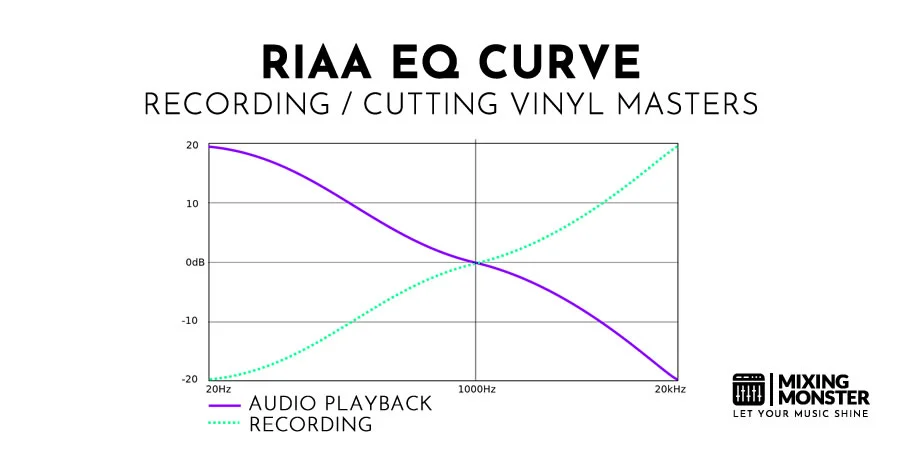
Engineers use specialized equalization to compensate for the RIAA curve, a standardized frequency response applied during cutting and reversed during playback. They also manage stereo separation, often reducing extreme panning to ensure mono compatibility and avoid cutting issues or playback problems.
Key responsibilities include:
- Adjusting low-frequency content to prevent groove overcrowding
- Managing dynamic range to avoid distortion
- Controlling sibilance that could damage cutting equipment
- Determining optimal track spacing and running order
- Creating test pressings and approving final quality
The engineer collaborates with vinyl pressing plants and quality control teams to ensure the lacquer translates properly during electroplating and pressing. They must understand how their decisions at the mastering stage affect the final pressed product.
Key Differences Between Digital And Vinyl Mastering
Digital mastering works with discrete audio samples that represent sound as numerical data, while analog mastering for vinyl creates continuous physical representations of audio waves. Digital formats allow for extreme frequency extension and dynamic range that vinyl cannot reproduce.
Vinyl mastering requires significant frequency management, including the use of an elliptical equalizer to keep low frequencies centered. Bass frequencies below 40 Hz often get filtered or reduced in mono to prevent groove instability. High frequencies above 15 kHz may need careful attention to avoid distortion or excessive wear on cutting equipment.
Format constraints:
|
Aspect |
Digital |
Vinyl |
|
Dynamic range |
Up to 120 dB |
Approximately 60-70 dB |
|
Frequency response |
20 Hz - 20 kHz (or beyond) |
30 Hz - 15 kHz (practical) |
|
Stereo separation |
Complete independence |
Limited at frequency extremes |
|
Playing time |
Unlimited |
18-22 minutes per side (optimal) |
Many modern vinyl records originate from digital sources rather than analog tape. The mastering engineer must bridge this gap, often using analog processing to add warmth and character before cutting to lacquer.

Why Vinyl Mastering Still Matters
Audio mastering for vinyl remains relevant because vinyl sales continue to grow among listeners who value the format's tactile experience and sonic qualities. The physical nature of vinyl creates a listening experience distinct from streaming or digital files.
The analog format requires intentional listening rather than background consumption. Albums receive careful sequencing and pacing because side breaks naturally divide the listening experience. Engineers optimize each side's length and arrangement for maximum sound quality.
Vinyl's limitations paradoxically create advantages. The reduced dynamic range often translates to more consistent perceived loudness without the harshness of over-compressed digital masters. The mechanical playback process introduces a warm sound and subtle harmonic distortion that many listeners find pleasing.
Artists and labels invest in vinyl production to reach collectors and enthusiasts willing to pay premium prices for physical media. Quality vinyl mastering differentiates professional releases from poorly transferred records that fail to meet listener expectations.

2
Essential Techniques And Tools For High-Quality Vinyl Mastering
Achieving optimal sound quality through vinyl cutting requires specific approaches to audio preparation, frequency management, dynamic control, and specialized software tools. This is a key part of modern music production. Mastering engineers must address the physical limitations of the medium while preserving audio fidelity and tonal balance throughout the recording.

Preparing The Audio Source For Vinyl
The preparation phase determines whether a vinyl record will play cleanly without distortion or tracking issues. Engineers must ensure phase coherence in low frequencies to prevent playback problems.
Critical preparation steps include:
- Converting stereo bass content below 150Hz to mono using a stereo imager
- Removing subsonic frequencies with a low cut filter set around 20-30Hz
- Checking for phase issues that could cause groove instability
- Maintaining adequate headroom (typically -6dB to -3dB peaks)
The dynamic range must remain moderate compared to digital formats. While streaming platforms tolerate heavily limited masters, vinyl records require preservation of natural dynamics to avoid cutting problems. Engineers should avoid aggressive brickwall limiter settings that create overly dense waveforms.
Track sequencing significantly affects the final product. Louder, bass-heavy tracks perform better on the outer grooves, where there is more physical space. Quieter tracks near the center of the record minimize inner-groove distortion.
EQ And Compression Specific To Vinyl
Frequency management presents unique challenges due to vinyl's mechanical nature. The frequency response characteristics differ substantially from digital formats.
Low-frequency considerations:
- Bass below 150Hz must be centered to prevent excessive groove modulation
- Wide stereo bass causes uneven groove cutting and potential skipping
- A gentle low-end roll-off below 30Hz removes problematic subsonic content
High-frequency management:
- Excessive brightness above 10kHz can create sibilance and distortion
- De-essing reduces harsh "s" sounds that exaggerate during playback
- A subtle high-frequency shelf cut above 15kHz prevents cutting issues
Compression should be applied conservatively to maintain musicality. Light compression ratios between 1.5:1 and 2:1 work best, with slow attack and release times preserving transient detail. Multiband compression offers targeted control across different frequency ranges without affecting the entire mix.
Engineers often apply vinyl-friendly EQ adjustments that compensate for the RIAA equalization curve applied during playback. This ensures the frequency range translates accurately when the record is played.
Discover Best Audio Gear & Equipment

Groove Spacing And Dynamics Control
The physical spacing between grooves directly impacts playback duration and sound quality. Wider grooves accommodate louder passages, while tighter spacing allows more music per side but increases the risk of distortion.
Dynamic processing techniques:
- Gentle limiting prevents peaks that require excessive groove width
- Transient shaping controls sharp attacks without dulling the overall sound
- Parallel compression adds density while retaining natural dynamics
Maximum side length typically ranges from 18 to 22 minutes for 12-inch records at 33⅓ RPM. Side length considerations are vital, as exceeding this duration compromises the frequency response. This effect is most prominent in the innermost grooves where high-frequency detail naturally rolls off. Tight spacing also impacts playability.
Engineers balance limiting and compression to achieve consistent levels without sacrificing punch. The goal is maintaining groove stability while preserving the musical character that makes vinyl appealing to listeners.
Tools And Software Used In Modern Vinyl Mastering
Professional mastering engineers rely on specialized digital audio workstation plugins and hardware designed for vinyl preparation. These tools address the specific technical requirements of the medium.
Essential software tools:
|
Tool Type |
Function |
Example |
|
Stereo Imaging |
Controls stereo width by frequency |
iZotope Ozone Imager |
|
Dynamic EQ |
Frequency-specific compression |
FabFilter Pro-MB |
|
Metering |
Analyzes phase and frequency content |
Plugin Alliance ADPTR Audio Streamliner |
|
De-esser |
Reduces sibilance |
Waves DeEsser |
iZotope Ozone provides comprehensive mastering modules including EQ, dynamics, and stereo imaging in a single interface. Its mid-side processing capabilities allow engineers to independently adjust center and side information, which is crucial for bass management.
Modern hybrid analog-digital workflows combine the precision of digital tools with the character of analog hardware. Some engineers route audio through vintage compressors or equalizers to add harmonic content before final digital processing. This approach enhances the warmth and depth associated with quality vinyl records.
3
The Vinyl Mastering Process: Step-By-Step Guide
The journey from a finished mix to a pressed vinyl record involves multiple technical stages, each requiring specialized equipment and expertise. Understanding how engineers select source material, cut lacquers, evaluate test pressings, and approve masters helps artists make informed decisions throughout production.
Selecting The Right Master Tape Or Digital Source
The vinyl cutting process begins by selecting the appropriate source material as the cutting master. Engineers work from either analog master tapes or high-resolution digital files, typically 24-bit/96kHz or higher.
A digital master prepared specifically for vinyl requires different considerations than streaming masters. The file should have adequate headroom, usually peaking around -3 dB to -6 dB, allowing the mastering engineer room to apply necessary processing. Any limiting or heavy compression on the master bus should be removed before submission.
Key source requirements include:
- High-resolution digital files at their native sample rate (24-bit/96kHz minimum)
- Proper headroom without clipping
- Stereo interleaved files for each track
- Documentation of track sequencing and side breaks
Engineers evaluate the source for potential issues, such as excessively low frequencies below 30Hz or phase problems that could cause tracking difficulties. Some frequencies may need adjustment to prevent the stylus from jumping during playback.
Cutting The Lacquer: The Physical Mastering Step
Lacquer cutting converts audio signals into physical grooves on a lacquer disc, also known as an acetate disc. The cutting lathe uses a heated stylus to carve the audio waveform into the disc's soft surface, creating the master used for electroplating.
The cutting engineer makes real-time decisions about groove spacing and depth. Wider grooves accommodate louder passages and stronger bass response, while tighter spacing allows more music per side. These cutting facilities use specialized equipment that costs hundreds of thousands of dollars and requires extensive technical knowledge.
The engineer monitors the cutting process using specialized meters that display cutting level and groove modulation, ensuring the cut stays within physical limitations. Too much bass or stereo width can cause the grooves to intersect, ruining the lacquer. The cutting speed, typically 33⅓ or 45 RPM, affects available space and sound quality.
Your Song Mixed & Mastered By Mixing Monster


Test Pressings And Quality Control
After the lacquer disc undergoes electroplating to create stampers, the pressing plant produces a small batch of test pressings. These initial vinyl copies undergo rigorous evaluation of the vinyl-cutting process before approval for full production.
Engineers and artists listen to test pressings on multiple turntable systems to identify issues like surface noise, distortion, or tracking problems. They check that the vinyl mastering translates properly across the entire frequency spectrum and that no skips or pops appear during playback.
A quality control checklist typically includes:
- Playback on different turntable types
- Visual inspection for warps or defects
- Level consistency between tracks
- Proper track sequencing and spacing
- Label accuracy and centering
This stage catches manufacturing defects or issues that weren't apparent during lacquer cutting. If problems emerge, the engineer may need to recut the lacquer with adjustments. Before committing to the full side, engineers may perform test cuts to verify the settings.
Finalizing The Master For Pressing
Once test pressings pass inspection, the production facility receives approval to begin full pressing runs. The stampers created from the approved reference lacquers become the templates for manufacturing.
The mastering engineer provides the pressing plant with detailed specifications, including scribe numbers for the run-out groove, groove lifts, track timing, and any special requirements. Documentation ensures consistency across the entire pressing run.
Final approval involves signing off on the sonic quality and confirming that the stampers will produce acceptable results throughout their lifespan. Stampers degrade over time, so plants may produce multiple sets for large runs to maintain quality standards. The approved masters remain on file for potential future pressings, though new lacquers may be cut if reissues occur years later.

4
Trends And Innovations In Vinyl Mastering
The vinyl mastering process has evolved significantly through new technologies that address both sound quality and environmental concerns. Modern mastering engineers now work with advanced digital tools while maintaining analog warmth, and production facilities are adopting greener methods to meet growing demand from collectors and streaming-era listeners.
Hybrid Analog-Digital Mastering Techniques
Contemporary vinyl mastering combines analog and digital workflows to achieve optimal results. Engineers typically master digitally before transferring to analog cutting lathes, allowing precise control over frequency response and dynamics while preserving the warmth vinyl collectors expect.
Digital tools enable mastering engineers to address challenges unique to vinyl production. They can manage bass frequencies to prevent groove overcrowding and adjust stereo width to ensure compatibility with physical playback. AI-assisted restoration technology now helps engineers clean up source material and optimize audio for vinyl.
Direct-to-Metal Mastering (DMM) represents a significant technical advancement in this hybrid approach. DMM involves cutting audio directly onto copper-coated discs, bypassing traditional silver mastering stages. This technique produces sharper high frequencies and a tighter bass response compared to conventional lacquer-cutting methods.
Sustainable Vinyl Production And Mastering
Environmental concerns are reshaping vinyl production and mastering practices across the industry. Traditional vinyl pressing relies on PVC, a petroleum-based plastic that takes centuries to decompose and isn't recyclable.
Eco-friendly materials and energy-efficient production methods are becoming standard in modern facilities. Evolution Music's Evovinyl™ uses bioplastics instead of PVC while remaining compatible with existing pressing machinery. Other manufacturers, such as Elastic Stage and NAKED Record Club, use PETG and PET, which are more recyclable and less toxic.
Energy consumption in vinyl pressing has dropped dramatically with new technology. Injection-molding processes can reduce energy use by up to 85% compared to traditional compression molding. On-demand pressing services further reduce waste by manufacturing records only when they are ordered, eliminating the overproduction that characterized mass-production models.
Related Articles
Advances In Cutting Lathe Technology
Cutting lathe technology has seen substantial improvements after decades of stagnation. Modern lathes incorporate computer-controlled systems that automatically optimize groove spacing and depth, resulting in longer playing times and improved sound quality.
HD vinyl technology uses 3D laser systems to create stampers with higher precision than traditional methods. This innovation produces superior audio fidelity and extends stamper longevity, reducing costs in vinyl pressing operations. The laser-cut grooves capture more detail from the master recording, particularly in high-frequency ranges.
Viryl Tech's WarmTone™ system has revolutionized the stamping phase of vinyl production. The technology cuts record-stamping time in half through automated inspection and rapid changeover. This efficiency allows pressing plants to handle shorter production runs economically, making vinyl more accessible to independent artists and labels.

The Impact Of Streaming And Vinyl Collectors On Mastering
The coexistence of streaming and vinyl has created new mastering considerations for engineers. They must now account for increasingly complex production styles and the shift from analog to digital production workflows when preparing music for vinyl pressing.
Audiophiles demand high-fidelity sound and unique presentations that differentiate physical releases from streaming versions. Mastering engineers respond by creating a separate vinyl master that emphasizes dynamic range and warmth. This avoids the compressed, loud masters common in digital distribution.
The collector market drives innovation in limited-edition releases and special packaging. Engineers now collaborate with artists to create exclusive vinyl masters that offer different mixing choices or extended edits unavailable on streaming platforms. This approach treats vinyl as a premium format deserving specialized attention rather than a simple replication of digital files.

5
Common Challenges And Solutions In Vinyl Mastering
Vinyl mastering presents distinct technical challenges related to the medium's physical properties, from managing low-frequency content to preventing distortion in the record grooves. Engineers must balance dynamic range, control stereo information, and adapt their approach based on the specific characteristics of each musical genre.

Avoiding Distortion And Surface Noise
Surface noise and harmonic distortion represent primary concerns when preparing audio for vinyl. Physical contact between the stylus and the groove inherently generates some level of noise that digital formats never encounter.
Inner groove distortion becomes more pronounced as the playback needle approaches the center of the record. The grooves near the label have smaller radii and higher linear velocities, which causes increased distortion on tracks placed toward the end of each side. Engineers often sequence quieter or less complex material toward the inner grooves to minimize this effect.
Excessive limiting introduces problems that vinyl cannot accommodate well. The format requires headroom to prevent the cutting stylus from creating grooves that are too wide or too deep. When masters arrive with brick-wall limiting typical of streaming releases, the cutting lathe may struggle to translate the waveform accurately.
Proper dynamic range management helps control these issues without sacrificing the playback experience. Engineers use RMS compression mixed with subtle peak compression rather than heavy limiting to maintain the natural dynamics that vinyl reproduces well.
Managing Bass Frequencies And Stereo Imaging
Bass frequencies and stereo imaging require careful attention because of how groove geometry functions. Low-frequency content cut in stereo forces the cutting stylus to make wide lateral movements, consuming excessive groove spacing and potentially causing adjacent grooves to overlap.
Engineers typically apply high-pass filtering below 40 Hz to remove subsonic content that provides no musical value but creates cutting difficulties. Between 40 Hz and 150 Hz, bass frequencies should remain mono to prevent phase issues that compromise the groove's structural integrity.
The stereo image must be evaluated for phase distortion throughout the frequency spectrum. Out-of-phase signals cause vertical stylus movement, increasing distortion and reducing tracking ability. Many mastering engineers use specialized meters to identify phase issues before cutting.
Key stereo imaging considerations:
- Sum low frequencies to mono below 150 Hz
- Check stereo information for phase coherence
- Reduce excessive stereo width in bass-heavy sections
- Monitor for problematic phase relationships between left and right channels
Wide stereo information in the mid and high frequencies enhances the listening experience, but extreme panning or artificial widening effects may cause tracking problems on some playback systems.
Dealing With Vinyl Format Limitations
Physical constraints of the vinyl format dictate specific mastering approaches that differ from digital preparation. Program length directly affects achievable loudness and frequency response. Longer sides require tighter groove spacing, which reduces volume potential and can compromise bass response.
Most engineers recommend keeping each side under 18 minutes for optimal results. Sides exceeding 22 minutes suffer noticeable quality degradation. When longer playing times are necessary, the cutting engineer must reduce the overall level and may need to adjust frequency balance.
Format limitations to address:
- Maximum side length affects volume and frequency response
- Groove spacing determines how loud the record can be cut
- Sibilance and high-frequency content require de-essing
- Track sequencing impacts sound quality across the side
Sibilant vocals and cymbal crashes can distort if not properly controlled. De-essing should be applied conservatively during mastering, targeting only the most problematic peaks rather than dulling the entire frequency range.
Tips For Mastering Different Music Genres On Vinyl
Different musical genres present unique challenges that require tailored mastering strategies. Electronic music with sustained bass often requires more aggressive low-frequency management than acoustic recordings do within the broader vinyl manufacturing landscape.
Genre-specific approaches:
- Electronic/Dance: Reduce sub-bass energy, ensure kick drums are mono, limit stereo width on bass elements
- Rock/Metal: Control guitar distortion harmonics, manage cymbal peaks, balance compressed drums with vinyl's dynamic needs
- Jazz/Classical: Preserve dynamic range, minimal compression, careful attention to natural instrument transients
- Hip-Hop: Mono bass frequencies below 200 Hz, control 808s and sub-bass, reduce excessive limiting from digital masters.
Classical and jazz recordings benefit from vinyl's ability to reproduce natural dynamics without the compression required for competitive digital loudness. These genres typically require less processing during mastering.
Heavy music with sustained distorted guitars generates complex harmonic content that accumulates energy across the frequency spectrum. Engineers must ensure this density doesn't create groove modulation issues while maintaining the aggressive character the genre demands.

6
Choosing The Right Vinyl Mastering Engineer Or Studio
Finding the right professional requires evaluating technical capabilities, understanding pricing structures, and assessing proven track records with vinyl projects. The engineer's experience with lacquer cutting and their relationship with pressing plants directly impacts the final sound quality.
What To Look For In A Mastering Engineer
A professional mastering engineer with vinyl expertise should demonstrate specific technical knowledge beyond standard digital mastering. Vinyl mastering engineers must optimize groove shapes to balance bass response and high-frequency detail while avoiding distortion.
Look for engineers who understand the physical limitations of the medium. They should know how to manage stereo low end that can cause stylus jumping, control excessive sibilance, and adjust for inner groove distortion. Experience with different pressing plants matters because each facility has unique cutting equipment and tolerances.
Check whether the engineer cuts lacquers in-house or prepares digital masters for external cutting. In-house lacquer cutting represents the traditional approach and offers more control over the final result. Engineers who only prepare digital masters may understand the theory but lack hands-on experience with cutting lathes.
Review their portfolio for releases similar to your genre. A vinyl mastering engineer experienced with electronic music may approach the work differently than one specializing in acoustic recordings within the broader vinyl manufacturing landscape.
Questions To Ask Before Hiring A Vinyl Mastering Studio
Start by asking whether they cut lacquers themselves or prepare digital masters. This distinction affects how much control they have over the final sound. Many modern services advertise vinyl mastering without touching a lathe.
Ask about their process for handling wide stereo bass and dense high frequencies. These elements require special attention because they can cause technical problems during cutting and playback.
Request information about test pressings. Does the studio offer approval for test pressing before mass production? This step helps catch issues before committing to a full run. Find out how they collaborate with pressing plants and whether they communicate directly with cutting engineers.
Inquire about their experience with your specific side length requirements. Longer sides reduce volume and fidelity, so the engineer should discuss realistic expectations.
Ask for client references or examples of previous vinyl projects. Listen to their work on an actual turntable to evaluate how well their masters translate to the physical format.
Cost Factors And Turnaround Times
Vinyl mastering costs vary significantly based on the service level and the engineer's experience. Digital master preparation typically costs less than full lacquer cutting services. Expect to pay more for engineers who cut in-house and offer test-pressing reviews.
Typical cost factors include:
- Single vs. album pricing structures
- Side length and number of tracks
- Test pressing creation and approval
- Rush fees for expedited turnaround
- Revisions and adjustments after the initial master
Turnaround times depend on the engineer's workload and whether test pressings are included. Digital master preparation may take one to two weeks. Full lacquer cutting with test pressings can extend to four to six weeks or longer during busy periods.
Budget additional time for the pressing plant's production schedule. Even with a completed master, vinyl production typically requires several weeks to months. Plan accordingly if working toward a specific release date.
Some studios offer tiered pricing with different service levels. Basic packages may include only digital master preparation, while premium packages include lacquer cutting, test pressings, and multiple revision rounds.

7
Key Takeaways For Vinyl Mastering

Mastering for vinyl requires adapting digital audio to accommodate the physical limitations of an analog format. Engineers must address specific technical challenges that don't exist in digital mastering.
Peak levels should remain below 0 dB to prevent digital clipping before the cutting stage. Bass frequencies below 20 Hz need to be removed via high-pass filtering, while low frequencies below 250 Hz must stay in mono to prevent tracking issues and groove instability.
High frequencies above 15 kHz require careful attention. Excessive energy in this range distorts during playback, particularly as the stylus moves toward the inner grooves where groove velocity decreases.
Critical specifications include:
- File format: WAV or AIFF (lossless)
- Bit depth: 24-bit minimum
- Sample rate: 44.1 kHz or 48 kHz
- Dynamic range: Quiet sections above -60 dB
- Stereo width: Between +0.5 and 1
The length of each side impacts audio quality. Sides exceeding 22 minutes require narrower groove spacing, which reduces level output and frequency response. Both sides should be within one minute of each other in duration.
Track sequencing matters for playback quality. Louder, high-energy songs belong at the beginning of each side, where groove velocity is highest. Quieter tracks perform better toward the center, where the needle encounters more limitations.
Phase coherence prevents playback problems. All mix elements must maintain positive phase relationships, and stereo bass creates wider grooves, limiting available space on the disc. Professional music production for vinyl always accounts for mono compatibility.
Happy vinyl mastering!

Frequently Asked Questions
1
What are the key differences between mastering for vinyl and digital formats?
Digital mastering allows for wider stereo imaging across all frequencies and higher peak levels. Vinyl mastering requires centering low frequencies below 150Hz in mono to prevent tracking issues and groove instability.
The dynamic range handling differs substantially between the two formats. Digital formats can accommodate brick-wall limiting and compressed dynamics without physical consequences. Vinyl records need to be stored with proper dynamics to avoid distortion and needle skipping during playback.
Frequency response limitations create another major distinction. Digital files reproduce the full frequency spectrum equally across stereo channels. Vinyl experiences inner groove distortion toward the center of each side and requires high-frequency roll-offs above 15kHz to prevent sibilance.
Track sequencing matters more for vinyl than digital. Engineers must consider groove spacing and place louder tracks toward the outer edge where there's more physical space. Digital playlists face no such spatial constraints.
2
What are the best practices when mastering audio for vinyl production?
Professional mastering engineers recommend using gentle compression rather than aggressive limiting to maintain natural dynamics. The compression ratio should stay between 1.5:1 and 2:1 with slow attack and release times.
Bass frequencies require careful attention during mastering. All content below 150Hz must be summed to mono using a stereo imager plugin to achieve stable low-end mono and ensure groove stability, preventing phase issues that cause uneven wear.
De-essing becomes critical for vinyl production to control sibilance in vocal tracks. Engineers apply a high-frequency roll-off gently above 15kHz to prevent harsh "S" sounds from distorting playback.
Track order significantly affects the final sound quality. Placing quieter songs with less bass content toward the inner grooves helps maintain fidelity throughout the listening experience.
Test pressings provide essential quality control before committing to full production runs. These reference lacquers allow engineers and artists to identify issues early and make necessary adjustments. Before committing to the full side, engineers may perform test cuts to verify the settings.
3
Which software tools do professionals prefer for mastering vinyl tracks?
Professional mastering engineers use a specialized stereo imager plugin to achieve stable low-end monos to narrow the stereo field below 150Hz. These tools allow precise control over the mono bass content that vinyl requires for proper playback.
De-esser plugins handle high-frequency sibilance that can cause problems during lacquer cutting. Engineers often choose multiband de-essers that target specific frequency ranges without affecting overall brightness.
Spectrum analyzers help visualize frequency balance throughout the mastering process. These tools identify problematic frequency buildups and ensure low-end content remains centered.
Transient shapers provide control over attack and sustain characteristics without affecting overall levels. This capability prevents sharp transients from causing needle skipping on dynamic passages.
Professional mastering suites typically include precision equalizers and transparent limiters designed specifically for vinyl production. The cutting engineer also uses specialized tools to optimize audio during the lacquer-cutting stage.
4
How does the LUFS level impact the quality of a vinyl record during the mastering process?
LUFS measurements indicate integrated loudness over time and directly affect how audio is recorded onto vinyl grooves. Masters that are too loud create wider grooves, limiting playtime and increasing the risk of distortion.
Vinyl mastering typically targets a range of -16 to -20 LUFS for optimal results. This range provides enough dynamic headroom to prevent cutter overload while maintaining musical impact.
Exceeding recommended LUFS levels creates physical limitations during the cutting process. The cutting lathe cannot accurately reproduce material that is overly compressed, leading to distortion and potential groove collapse.
Lower LUFS values enable better dynamic range and reduce the risk of inner groove distortion. The quieter overall level provides more room for transient peaks without overwhelming the cutting equipment.
Maintaining appropriate LUFS levels ensures consistent volume across album sides. This consistency prevents jarring level differences between tracks and provides a more cohesive listening experience.
5
What factors influence the cost of professional vinyl mastering services?
The engineer's experience and specialization in vinyl mastering significantly affect pricing. Engineers with extensive vinyl expertise and access to specialized equipment typically command higher rates.
Album length impacts the total cost because longer projects require more time and attention to detail. Each track needs individual-level matching and sequencing consideration within the context of the full album.
Test pressing requirements add to the overall expense. Multiple rounds of test pressings and revisions increase both time and material costs before final approval.
Studio equipment quality affects the pricing structure. Facilities with high-quality, vinyl-specific gear often charge premium rates for access to their specialized tools.
Project complexity affects the final cost calculation. Albums with difficult mixes, characterized by excessive dynamics or problematic frequency content, require more processing time and technical intervention.
6
Is vinyl mastering more expensive than digital mastering?
Vinyl mastering generally costs more than digital mastering due to the additional technical requirements and specialized expertise needed. The process demands specific knowledge of physical limitations that digital formats don't face.
Digital mastering can be completed entirely in software without physical test pressings. Vinyl mastering requires coordination with cutting facilities and often involves multiple test-pressing rounds before final production.
The time investment differs substantially between the two formats. Engineers spend more time on vinyl masters addressing mono bass content, frequency limitations, and sequencing considerations that digital files don't require.
Equipment costs contribute to higher vinyl mastering rates. Cutting lathes, lacquer discs, and specialized monitoring systems represent significant investments that studios must recoup through their pricing.
Most mastering engineers charge separate rates for vinyl and digital masters. A typical project might include both a digital master for streaming platforms and a vinyl-specific master with all the necessary adjustments for physical production.